
Advertising's best mascots
What memorable characters teach us about brand recall and trust — and how small businesses can borrow the lesson.

February 23, 2026
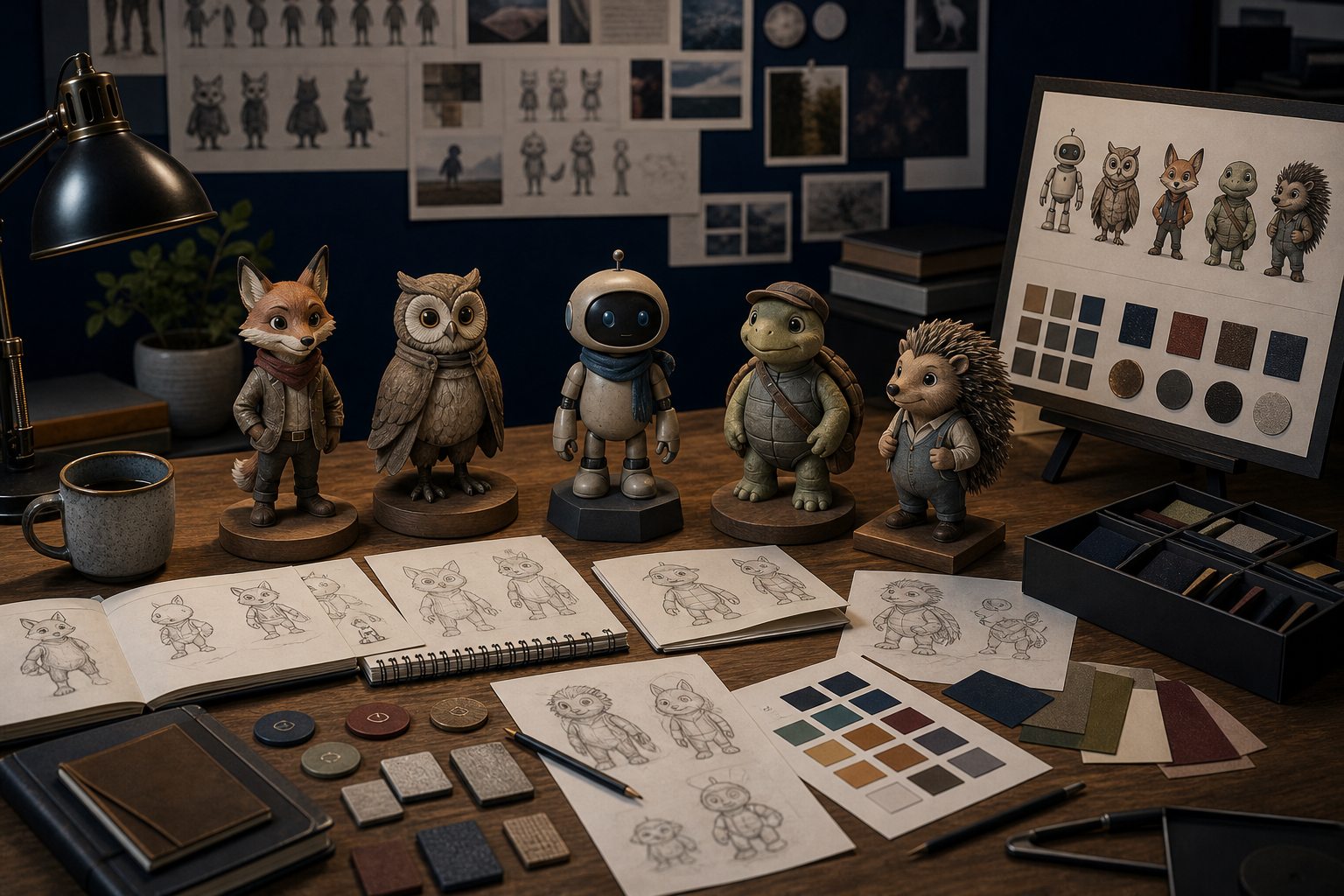
The most enduring mascots aren't just cute — they're shorthand for a promise. They compress a brand's personality into something instantly recognizable and oddly trustworthy.
Why mascots work
A character gives a brand a face, a voice, and a consistency that a logo alone can't. It makes the abstract feel familiar, and familiarity is the first step toward trust.
Instant recognition
A character creates recall across every channel it appears on.
Personality at a glance
It carries a tone and attitude a wordmark simply can't.
Approachable and human
It makes even a serious brand feel friendly and familiar.
People don't form relationships with logos. They form them with characters.
Borrow the lesson
You don't need a cartoon. Give your business a consistent voice and personality, and customers will recognize you like an old friend.
Start with a strategic role
Decide what the character must do: simplify a complex service, make a serious category approachable, signal local identity, or create continuity across campaigns. A mascot without a job becomes decoration.
Build a usable character system
Define personality, vocabulary, expressions, poses, color rules, and situations the character should never enter. The system must work at favicon size, in social content, in print, and in motion without becoming unrecognizable.
Measure memory, not applause
Track aided and unaided recall, branded search, direct traffic, engagement with character-led creative, and conversion quality. A mascot can earn attention while distracting from the offer, so measure whether people remember the business and promise, not only the character.
Common mistakes that reduce ROI
- Choosing a character because it is cute rather than strategically useful
- Changing the voice and appearance from campaign to campaign
- Letting humor undermine trust in a sensitive category
- Failing to protect usage rights and source files
Frequently asked questions
Does every business need a mascot?
No. A mascot is useful when personality, memorability, or explanation is a genuine business need. A strong spokesperson or distinctive visual system may work better.
Can a professional service use one?
Yes, if the tone remains credible and the character makes the service easier to understand rather than less serious.
Should a mascot be human, animal, or object?
Choose the form that best supports the promise and audience. Distinctiveness and usability matter more than category convention.
Turn the idea into a measurable plan
Strategic Marketing Advisors helps owners connect positioning, execution, and measurement so marketing produces better customers, not just more activity. Book a complimentary strategy conversation.
Need help applying this? Explore our current signature services or discuss your priorities with SMA.
Keep reading
Related articles

Direct mail design and copy basics
The fundamentals that still make direct mail convert in a digital world — and why a physical piece can cut through the noise.
Read more
Six ways for service providers to win repeat business
Practical moves that turn one-time clients into loyal regulars — because the cheapest customer to win is the one you already have.
Read more
Perception: if we only knew what they were thinking
Your brand isn't what you say it is — it's what your customers believe. Here's how to understand their perception and shape it in your favor.
Read morePut it to work
Want help applying this to your business?
Book a free thirty-minute strategy call with Mary and David.